
KPL PRODUCTION SCALE
How much control does your project need?
Not every great image needs a big production.
Sometimes the best thing we can do is show up, stay out of the way, and pay attention.
Other times, getting the image right means controlling the light, directing talent,
shaping the environment, or building the conditions from scratch.
How much control do we need to create the work?
As control increases, so do the production footprint, time, and budget.
This isn’t a package menu. A single project can move between multiple levels.
The goal is to use exactly enough production to protect the idea and the final work.
LEVEL 1 — OBSERVE
We work with what’s already happening.
The environment is doing the work. We’re documenting it.
Think:
Live events. Trade shows. Real guests. Behind-the-scenes. Zero Interference.
Very little is changed for the camera.
Best for: authenticity, speed, and real moments.
Tradeoff: we have very little control over light, people, timing, or what actually happens.
CONTROL ●○○○○
FOOTPRINT ●○○○○
TIME ●○○○○
BUDGET ●○○○○
LEVEL 2 — GUIDE
Reality gets a little help.
We’re still working with real people and real environments, but we start making small adjustments.
Move someone toward better light. Repeat the cocktail pour. Put two people together. Add a small light.
Best for: nimble brand content that still feels candid and human.
Tradeoff: we can improve the conditions, but we don’t fully control them.
CONTROL ●●○○○
FOOTPRINT ●●○○○
TIME ●●○○○
BUDGET ●●○○○
LEVEL 3 — SHAPE
Now we’re intentionally creating the scene.
We choose where people go, when we shoot, how the light works, and what moments we want to create.
It still needs to feel alive. We’ve just stacked the deck a little.
Think:
Lifestyle content. Hospitality. Tourism. Restaurant brand work. Content libraries. Social Retainers.
Best for: balancing spontaneity with control.
Tradeoff: more planning, setup, equipment, and time.
CONTROL ●●●○○
FOOTPRINT ●●●○○
TIME ●●●○○
BUDGET ●●●○○
LEVEL 4 — CONTROL
The outcome is specific enough that we need to own the variables.
We’re no longer hoping the right conditions show up.
Lighting, talent, timing, environment, and execution become deliberate.
Think:
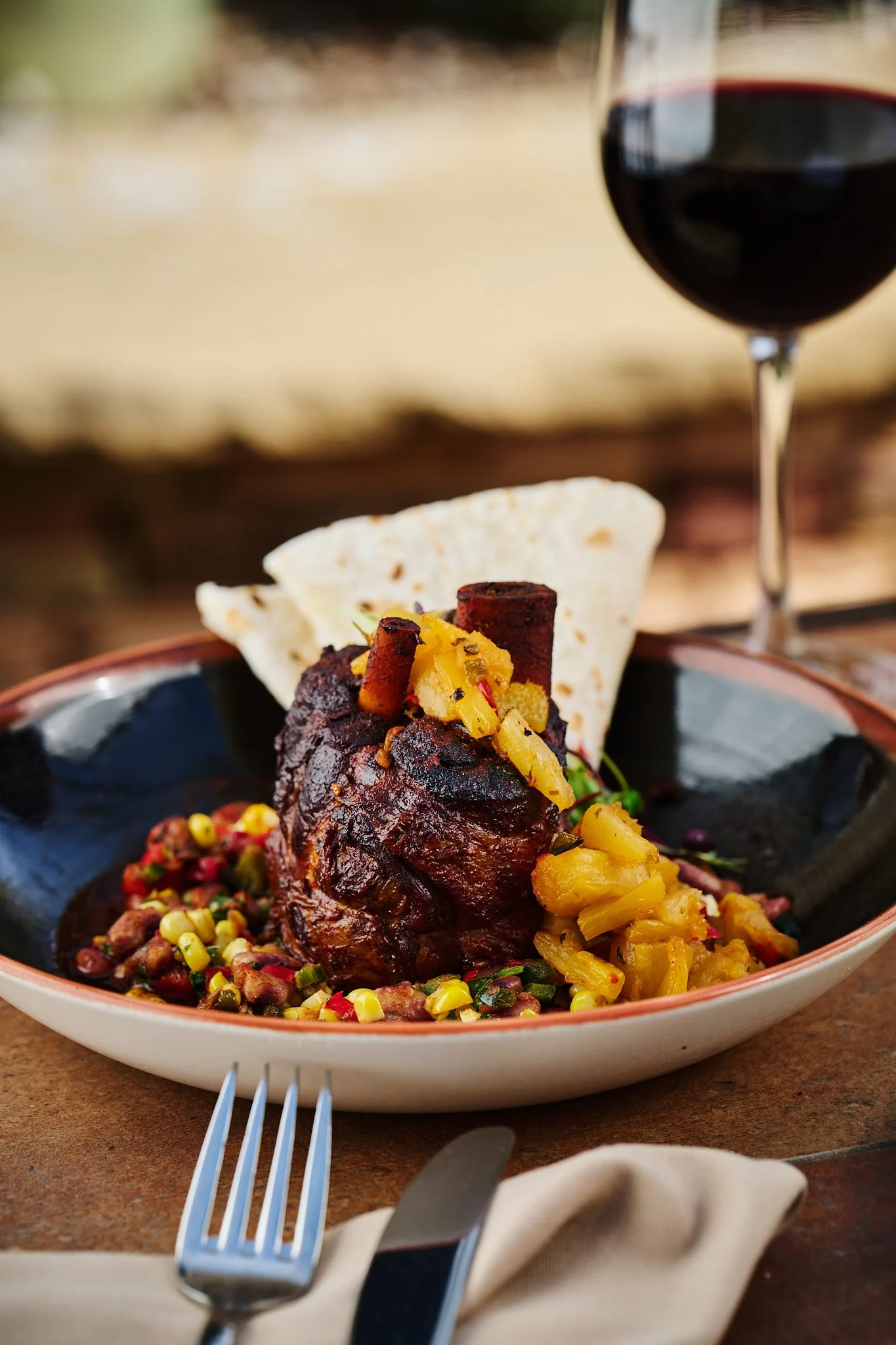
Hero imagery. Interviews. Regional campaigns. Controlled food or lifestyle advertising. Packaging.
At Level 3, we’re creating situations.
At Level 4, we’re creating specific outcomes.
CONTROL ●●●●○
FOOTPRINT ●●●●○
TIME ●●●●○
BUDGET ●●●●○
LEVEL 5 — BUILD
We create the world the idea needs.
This is full production.
Instead of asking what we can make within the existing conditions, we build the conditions around the idea.
Think:
National advertising. Major campaigns. Large-scale commercial productions.
The final image might look effortless.
The production probably wasn’t.
CONTROL ●●●●●
FOOTPRINT ●●●●●
TIME ●●●●●
BUDGET ●●●●●
ONE PROJECT CAN MOVE THROUGH THE SCALE
A resort shoot might begin by documenting real guests at breakfast.
Level 1.
Then we direct staff for a few social images.
Level 2.
That afternoon we create scheduled lifestyle scenes.
Level 3.
At sunset we build a controlled hero image.
Level 4.
A later national campaign for that same resort might become a full production.
Level 5.
Same brand.
Same creative team.
Different amounts of control.
THE SIMPLE VERSION
More control gives us more consistency.
Less control gives us more spontaneity.
Neither is automatically better.
The right answer is whatever the work requires.