Inside a Large Commercial Production: The Role of the Still Photographer
What it takes to create natural, believable campaign photography inside a production where every department, decision and moment matters.
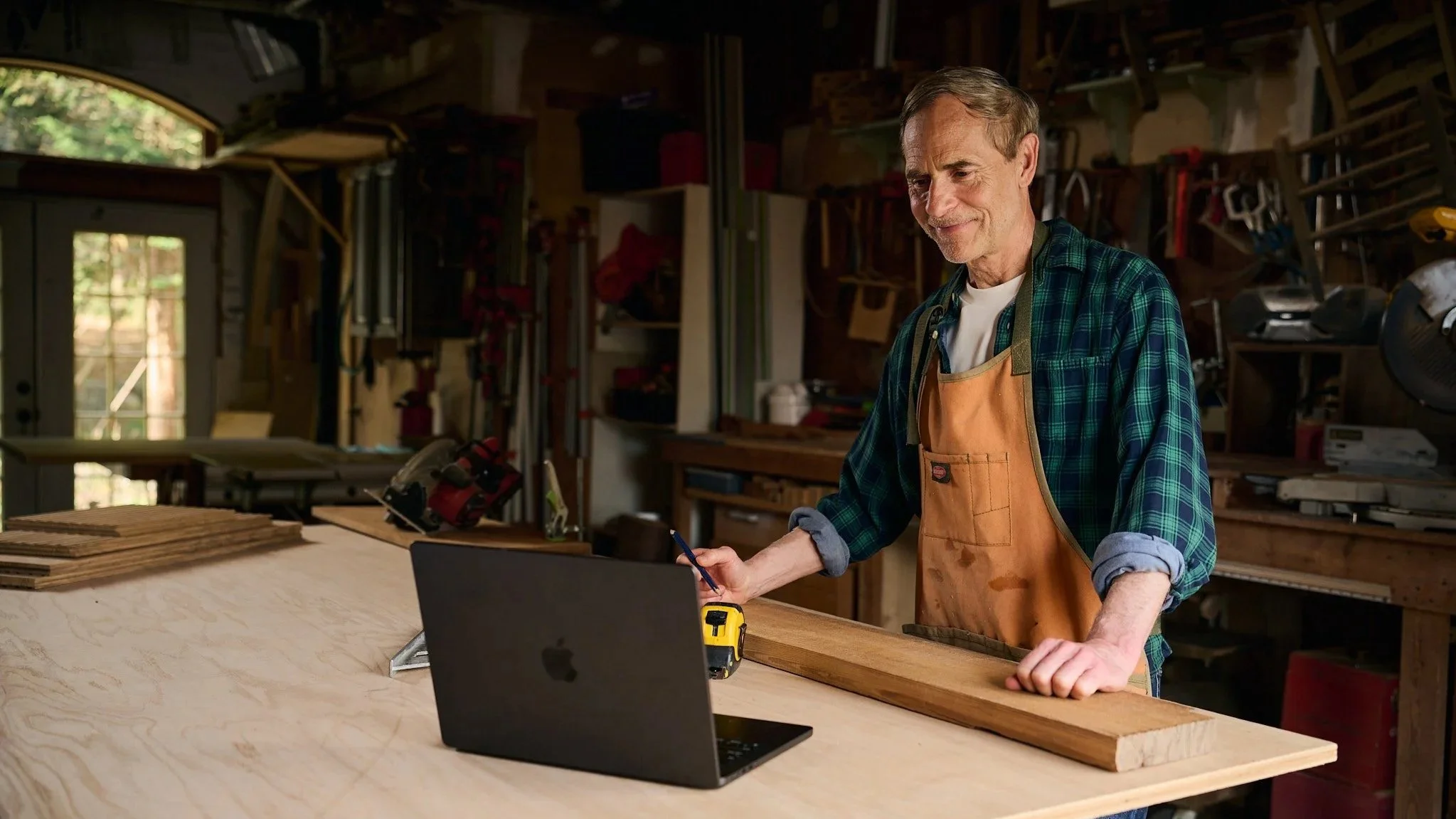
I knew this production was operating on a different scale long before I stepped onto set.
There were multiple planning meetings, an extensive pre-production process and a location scout in New York that I joined remotely over FaceTime. The campaign had its own creative team, producers, client representatives, art department, wardrobe, hair and makeup, grip, lighting, motion crew and talent.
I was brought in by Lee Media for one specialized role: still photography.
I did not create the campaign concept or run the entire production. Lee Media quarterbacked the larger operation and made the machinery work. My responsibility was to understand the creative, identify what the still photography required and deliver a large body of campaign imagery without slowing down everything happening around me.
That sounds simple when reduced to a job title.
It was anything but.
Making a Large Production Feel Real
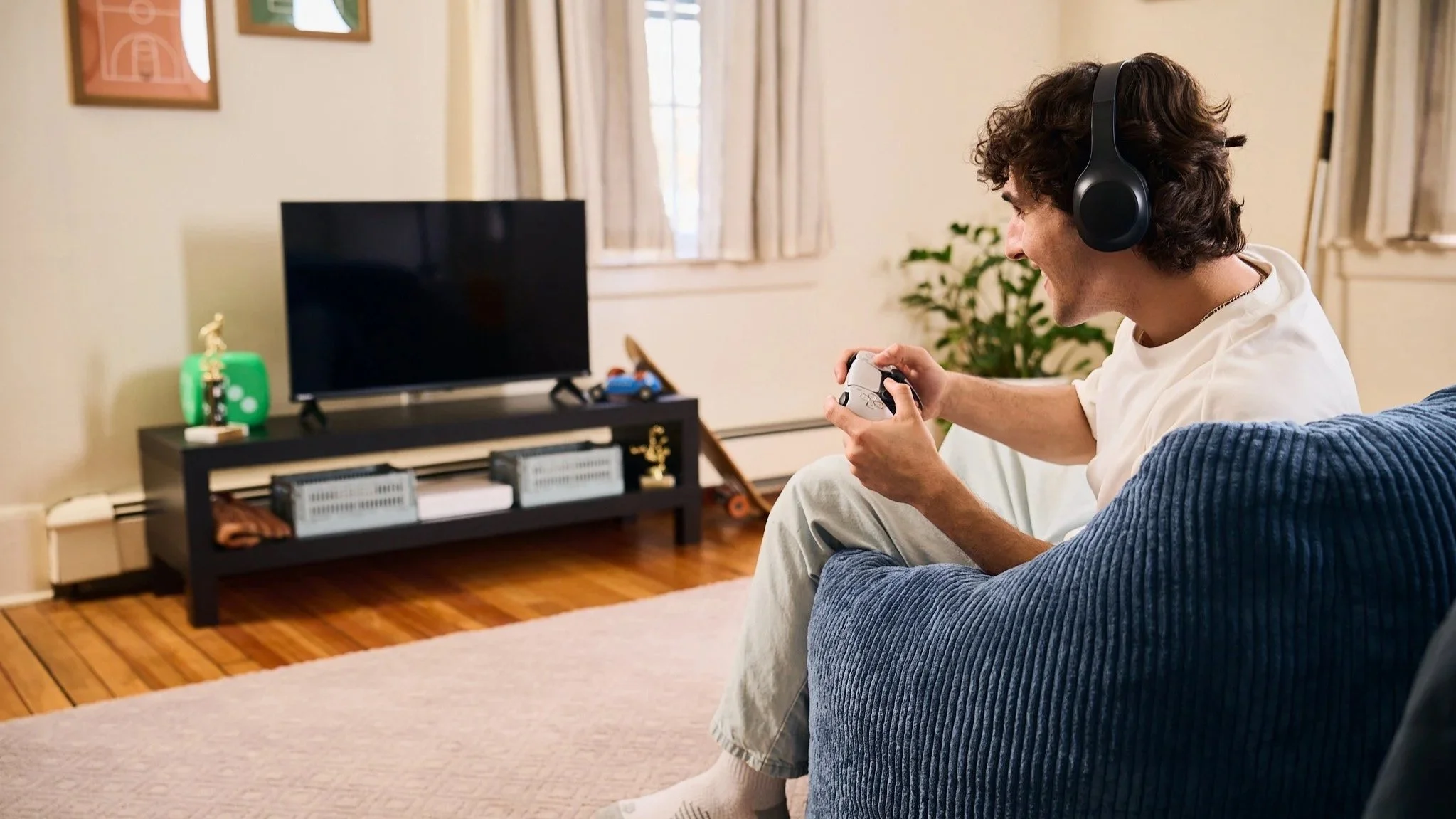
At the center of the Fidium campaign was a simple idea: its product helps make everyday life easier.
The internet should not feel like another problem people have to manage. It should disappear quietly into the background while families work, learn, cook, relax and spend time together.
The danger was that a production this large could easily look overproduced. We had cast talent, styled environments, controlled lighting, screens, props, detailed shot lists and a significant number of people standing just outside every frame.
My job was to make all of that disappear.
I wanted the photographs to feel observed rather than manufactured. The talent needed to appear calm, present and absorbed in what they were doing. This was not a campaign built around exaggerated smiles or conspicuous enthusiasm. The expressions were restrained because the technology was not supposed to demand attention. It simply allowed the moment to happen.
That naturalism was carefully crafted.
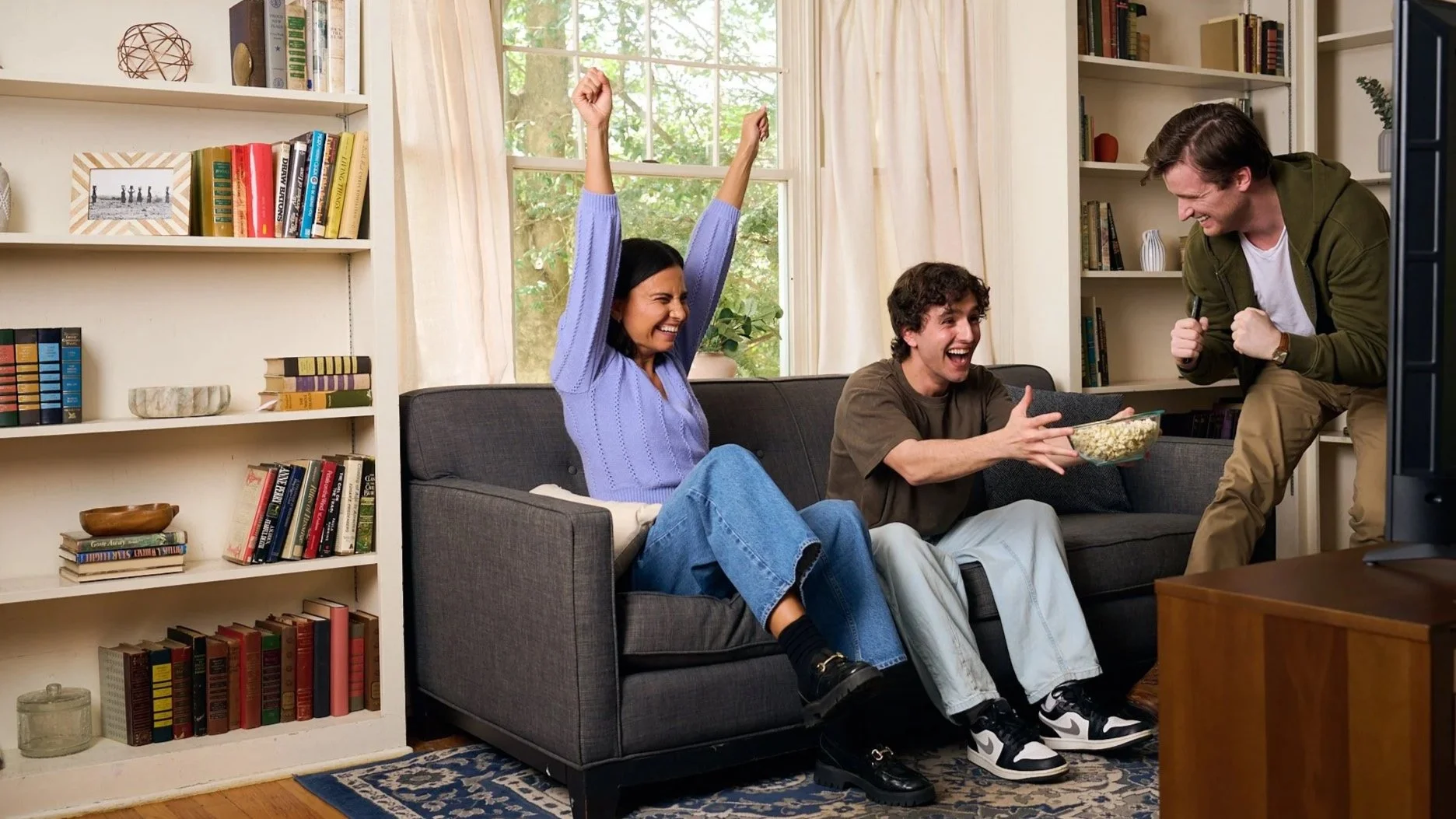
Rather than asking someone to “look relaxed,” I gave each person a specific task. They might be doing homework, learning to cook from an iPad, working from home, running a small flower business, watching a movie, playing video games or celebrating a big moment during a televised game.
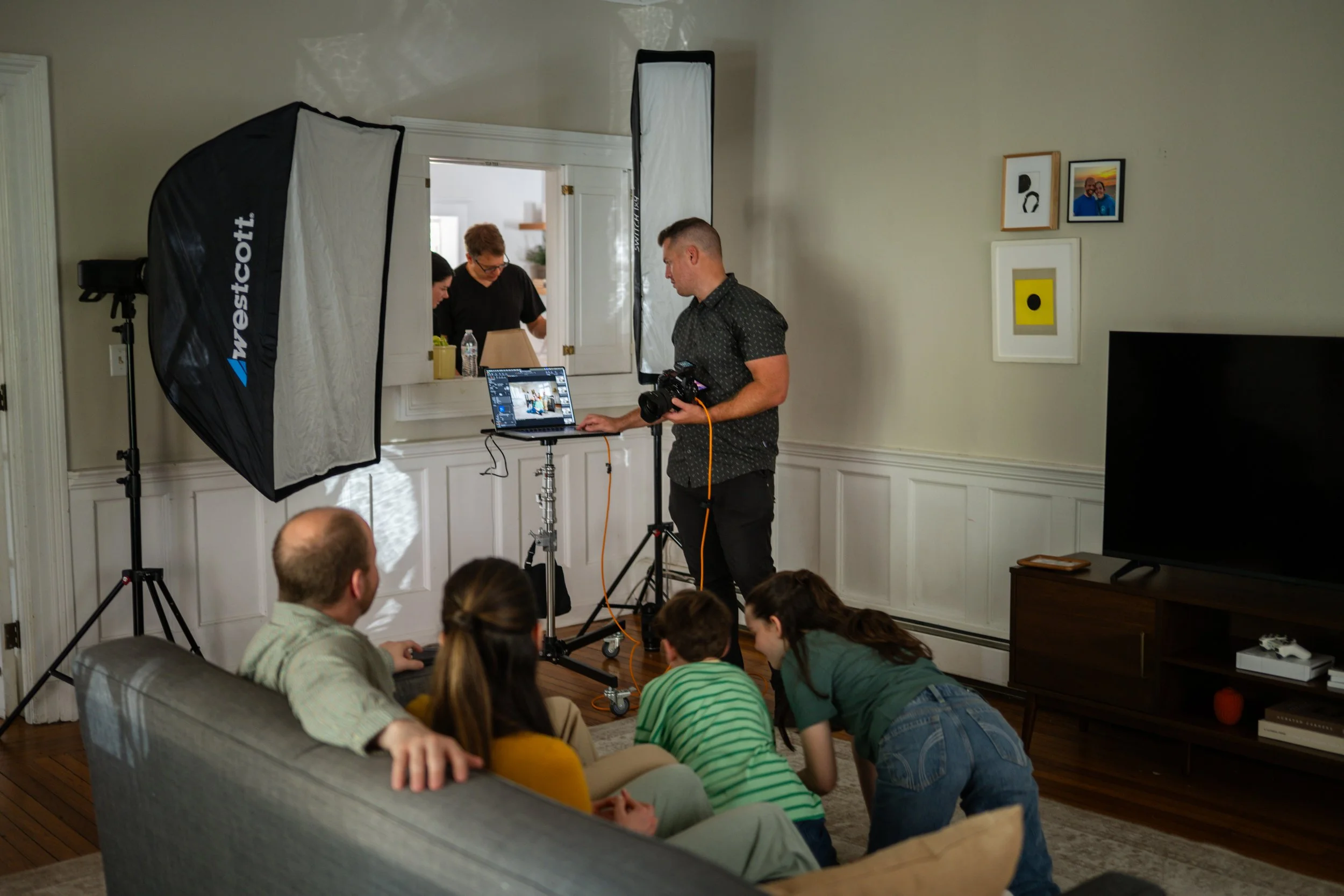
I gave them an action, allowed them to interact with the environment and photographed through the entire arc of the moment: the beginning, the interaction, the reaction and the quieter beat afterward.
The decisive moment was different in every scene.
Sometimes it was a subtle glance between two people. Sometimes it was a small change in expression as someone reacted to a screen. In group photographs, it was the instant when everyone was engaged in the correct action and the relationships between them felt believable.
It was rarely a dramatic peak. It was the brief moment when all the quiet pieces aligned.
Crafting Natural Light
The lighting followed the same philosophy.
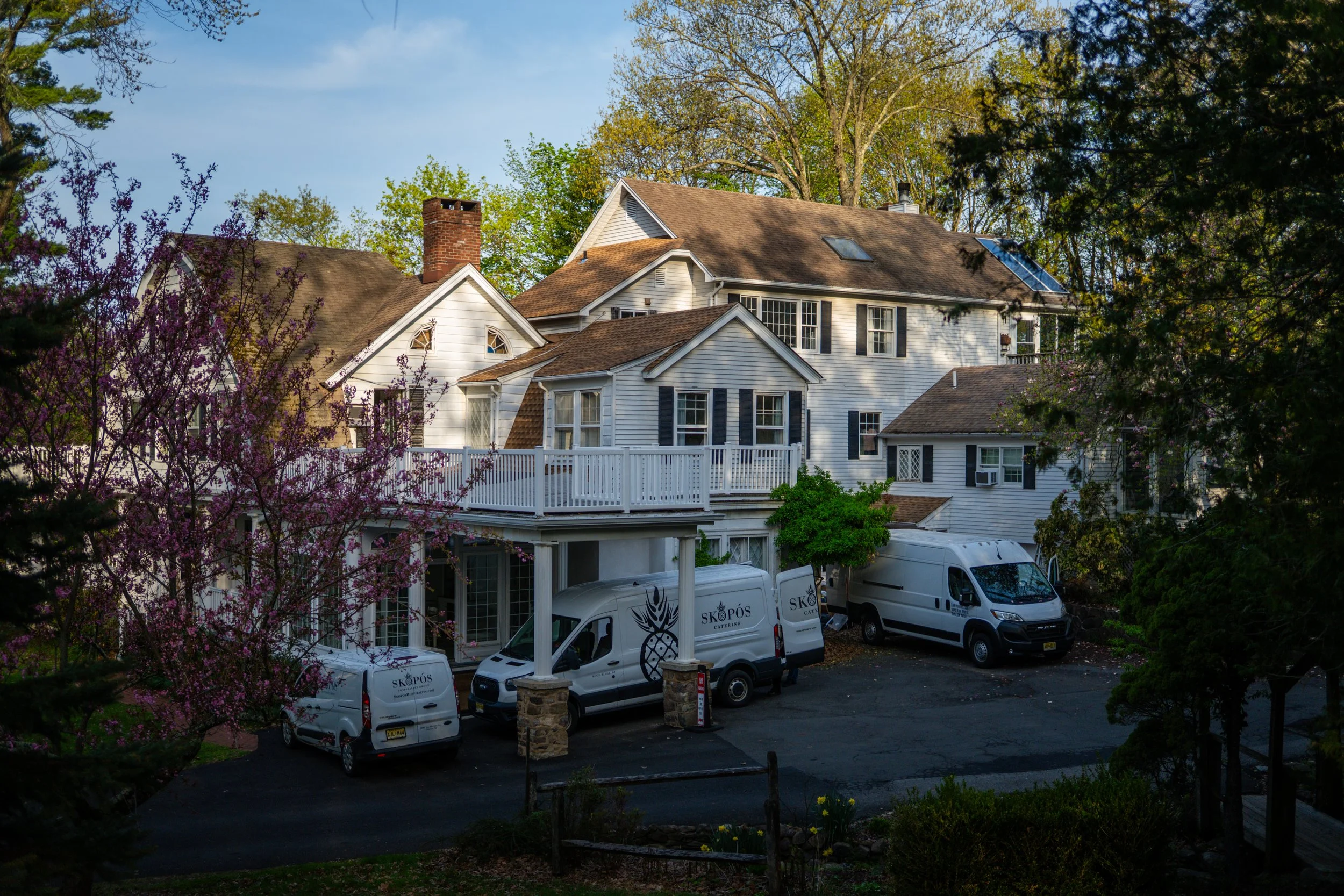
I relied heavily on the existing light and used my own fixtures to support the direction already established by windows, screens and practical sources inside the home. Instead of imposing a photographic lighting setup onto the room, I wanted the light to feel as though it belonged there.
My lights subtly filled and shaped the talent while preserving the impression that the scene had unfolded naturally.
That distinction matters. “Natural-looking” light and unmodified natural light are not always the same thing.
The finished frame might feel effortless, but there can be a considerable amount of equipment, planning and adjustment hiding just beyond its edges.
Solving the Production Before Shoot Day
Photography on the day was only a small part of the assignment.
Once I received the pre-production materials, I created my own list of concerns. The largest was the scale of the still-photography request. The creative was strong, but the shot list was ambitious, with dozens of scenarios spread across styled rooms, different talent combinations, devices and use cases.
Treating every requested image as equally important would have created a brittle production plan.
I asked the agency and client to divide the shot list into three categories:
A-level: The campaign could not move forward without it.
B-level: Important coverage that we should protect.
C-level: Valuable, but expendable if the schedule began to slip.
We then applied that hierarchy within each scene.
That last piece was important. If we fell behind, we would not abandon an entire room or scenario. We could remove individual C-level images while preserving the campaign’s broader variety.
The system worked. Some C-level options were eventually cut, but we completed every A- and B-level priority. That was not the production falling short. It was the contingency plan doing exactly what it had been designed to do.
We also planned how I would move through each scene. I would begin with tighter images using the talent who were ready for camera, then gradually work outward as the remaining people and environmental elements came together.
That allowed us to keep creating rather than waiting for every part of a complex scene to become ready at once.
Building a Lean Stills Crew
My stills team consisted of three people: me, a digital technician and one production assistant.
That was it.
Before traveling to New York, I created a detailed list of the equipment I would bring and the gear I needed my digital technician to source locally. He hired the production assistant, and I sent both of them the equipment lists and workflow plan before we met in person.
Because we were shooting inside and relying heavily on ambient light, we knew we were not going to rebuild the lighting for the entire house. We preassembled the lighting configurations we expected to use and kept them ready on stands.
During room changes, our production assistant could begin breaking down the previous setup while my digital technician and I moved the preset lighting into the next environment.
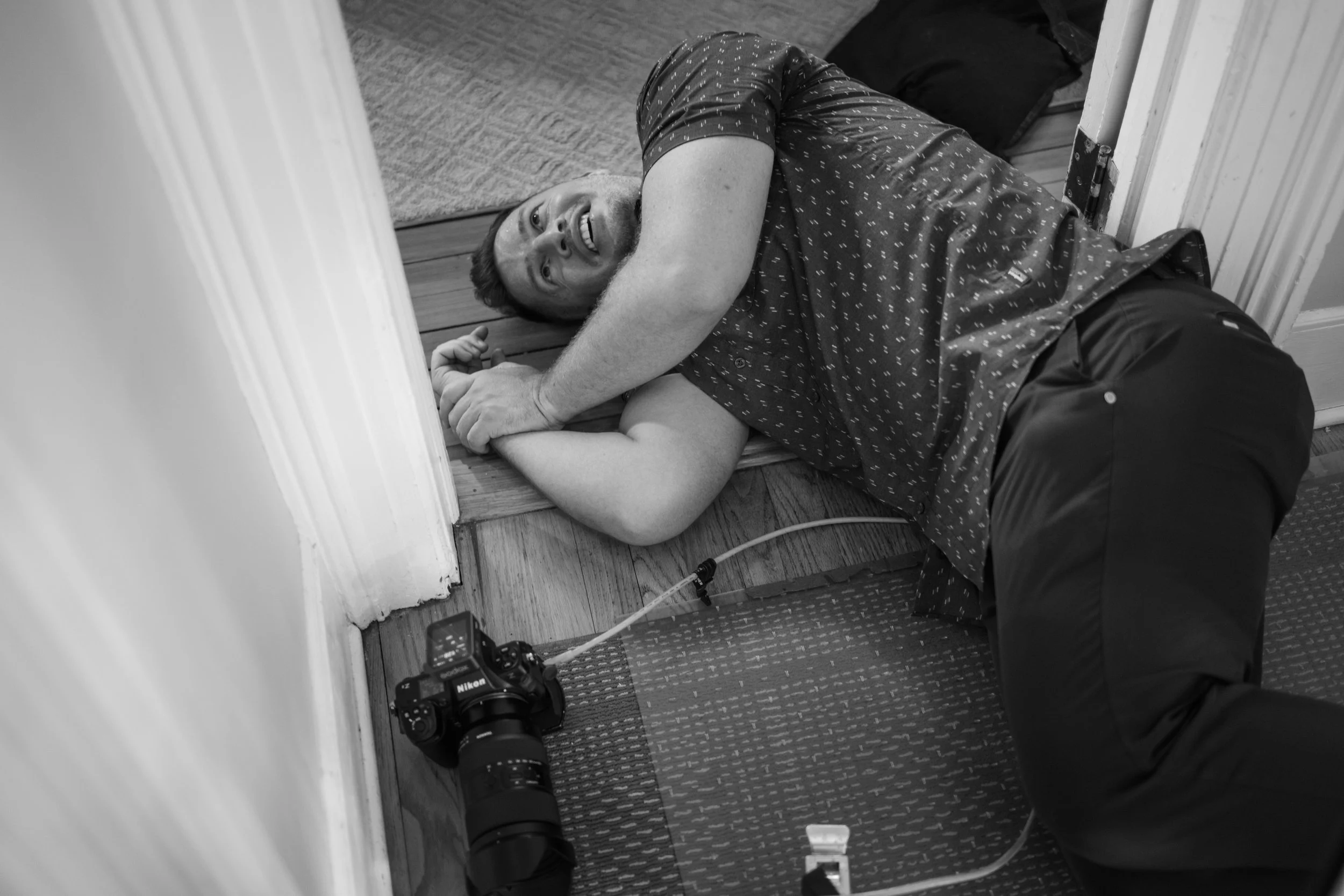
The digital technician’s role was also deliberately flexible. He managed the tethered capture and computer workflow, but with such a small team, he helped wherever the production needed him.
It was truly all hands on deck.
Delegation did not mean that everyone stayed inside a perfectly defined box. It meant that everyone understood the objective well enough to move between responsibilities without waiting for constant instruction.
That gave me the freedom to concentrate on talent, expressions and interaction instead of wearing every production hat at once.
A Dedicated Stills Day
The first production day was dedicated to photography.
That gave me considerably more control over the lighting and pace, but it also came with a monstrous shot list. While the motion team was ultimately building one cohesive story, the still photography needed to deliver much broader variety across more environments, scenarios and talent combinations.
Each area of the house was styled differently. The talent changed, the actions changed and the lighting was adjusted to make sense within each space.
The goal was not one perfect image from each room. We were building a flexible asset library capable of supporting a much larger campaign.
Every image was captured tethered and streamed wirelessly to video village, where the client and agency reviewed the work together in real time.
That process was both collaborative and pressurized.
To protect the work happening in front of the camera, we established a clear communication hierarchy. I spoke with the producer, who communicated with the agency and client. My assistant also monitored the radio so I did not have to split my attention between directing talent and following every conversation happening elsewhere on set.
We would continue working until the client and agency agreed, “We got it,” and then move forward.
That approval point protected the schedule. It prevented each scene from slowly expanding through endless requests for one more variation.
I also had premade PNG advertising mockups that could be overlaid onto the tethered photographs. Whenever those files are available, they are incredibly useful. They allow us to confirm subject placement, negative space and crop flexibility while the talent and set are still in front of us.
The photograph needed to work on its own, but it also had a specific job within the final advertisement.
Stepping Between the Gears of a Motion Production
The second day combined still photography with motion production.
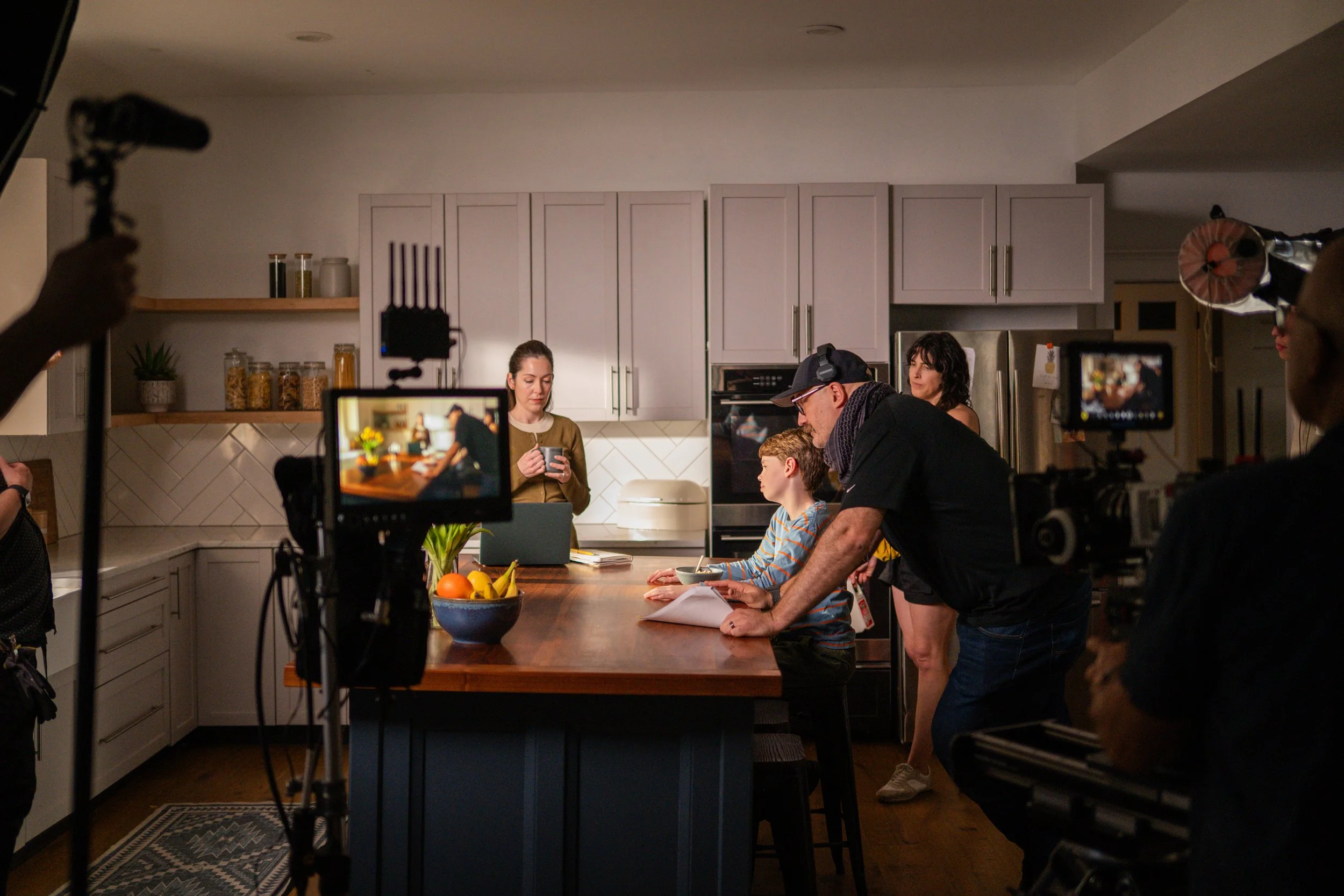
The motion crew had a full cinema package, extensive lighting equipment, a grip truck and a much larger team. Their setups could take approximately 45 minutes to move, but my actual window with the talent was often closer to 10.
As soon as the motion team finished filming a scene, they began striking lights and moving equipment toward the next setup. At that same moment, my three-person crew needed to fly in our lighting, photograph the scene and clear the room.
I had essentially no control over what the motion department left behind. If a fixture was needed for their next setup, it went with them. If something remained in place, I could incorporate it into the photograph.
The challenge was not simply working quickly. It was working around a far larger department without interrupting its rhythm.
We had to know exactly what we needed before the set became available.
The motion team had already established the action, blocking and emotional tone, so I did not need to redirect the talent from scratch. I could essentially tell them:
“Do the same thing again, but this time we are focusing on the decisive moment rather than the entire motion.”